

My library
Browse the collection
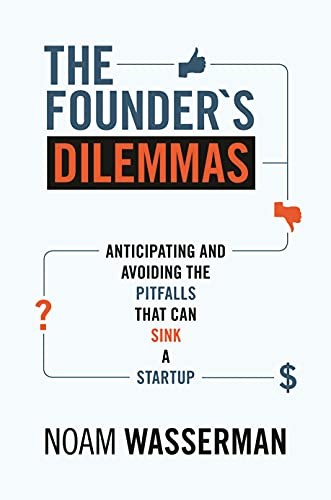
The Founder's Dilemmas studies the early choices that can quietly shape an entire company. Jobs, ownership, control, and cofounder promises all feel personal when the business is young. I like the book because it shows why those talks should happen while people still like each other. Clear roles and clean ownership records also make a future sale far easier. The research gives weight to advice that lawyers often repeat after the problem has already arrived. Read it as permission to have the awkward conversation early.
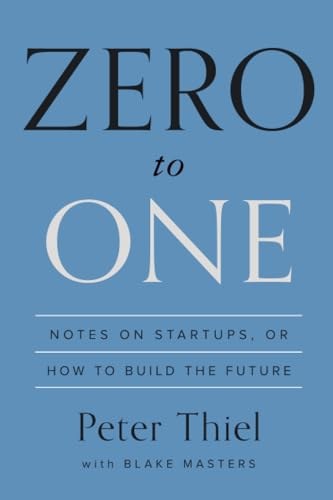
Zero to One is at its best when it asks founders to stop copying the market. Thiel wants businesses to create something so useful and different that they are not trapped in a race to the lowest price. I like the challenge because a company with a clear edge is easier to grow and easier to sell. Its focus on giant startup outcomes can be a poor fit for someone building a smaller, durable company. Not every good business needs to change the world or become a monopoly. It does need a reason for customers, employees, and a future buyer to choose it over the next option.
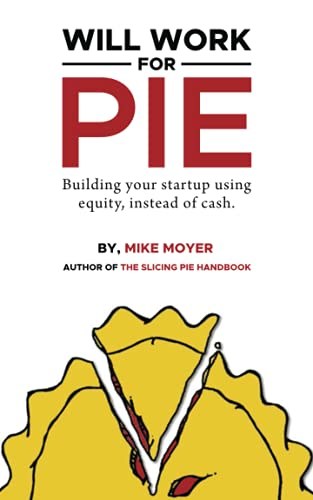
Will Work for Pie tackles a common startup problem: the company needs help but does not have much cash. Moyer explains how ownership can reward people for time, money, ideas, and risk. I like the effort to make fairness visible instead of leaving it to memory and good feelings. The method also forces founders to record who contributed what. Clean records matter if the business later raises money or gets sold. Ownership fights are much cheaper to prevent than to explain during a deal.
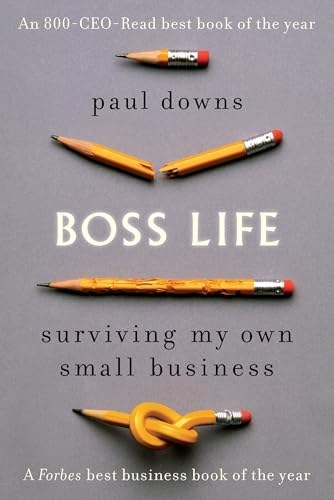
Boss Life follows Paul Downs through one difficult year of running a small business. He writes about cash, workers, sales, mistakes, and the worry that follows an owner home. I like the book because the company is neither a disaster nor a fairy tale. It is an ordinary business that needs constant judgment. The story makes clear why clean numbers, trained people, and a sales process matter. Those are the same things that help a company become worth buying.
The Lean Startup teaches founders to test their largest guesses before spending too much time and money. Build a small version, watch what customers do, and use the result to choose the next step. I like the discipline because hope is useful but evidence pays better. The language has become common enough to lose some meaning, so the habit matters more than the slogans. A company that learns quickly wastes less and builds a stronger offer. That learning process should belong to the team, not only to the founder.
Security Analysis is dense, old-fashioned in places, and far more detailed than most founders need. Graham and Dodd show how a careful investor studies a company's money, property, debt, and profits before deciding what it is worth. I like the discipline behind that approach because good stories are easy to tell and numbers are harder to flatter. Still, most owners can safely skip whole stretches unless they plan to become part-time investment analysts. The useful lesson is to understand what the business looks like after the sales pitch is removed. That view matters when you want to build a company a buyer can study and trust.
The Intelligent Investor is another thick investing classic that asks the reader to slow down. Its best lesson is not a stock tip but a way of thinking: study the facts, leave room for bad news, and do not let excitement make the decision. I return to that idea because owners can fall in love with their own plans just as easily as investors fall in love with a hot stock. A founder does not need to become a full-time value investor, and much of the market detail will never help with Tuesday's operating problem. What does help is the habit of protecting the downside before counting the upside. That is sound advice for anyone building value they hope another person will buy.
The Interpretation of Financial Statements is a small book with a serious purpose. It shows how the income statement, balance sheet, and other financial reports fit together. I like it because it teaches the reader to look for a story in the numbers instead of staring at three separate pages. The examples from 1937 and the investor-level detail go farther than a typical owner needs. Even so, the basic questions about cash, debt, profit, and financial health remain useful. A sellable business should make those answers easy for a future buyer to find.
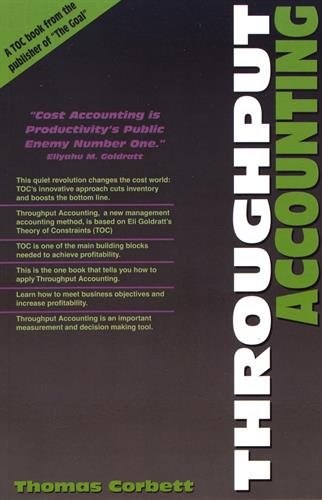
Throughput Accounting asks owners to find the one part of the business that is holding everything else back. It also explains why cutting every cost can make a company look efficient while leaving it less profitable. I like the focus on the whole system because departments often improve their own score and accidentally hurt the business. The accounting theory may feel like more machinery than a small service company needs. The practical lesson is much simpler: fix the bottleneck before polishing everything around it. Buyers value a company that knows how work moves, where it gets stuck, and how to improve it.
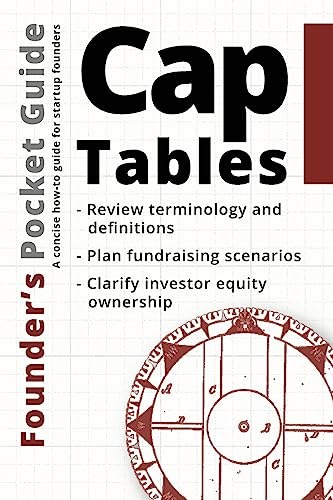
Cap tables look simple until new investors, employee grants, and promises begin piling up. This guide shows who owns what and how each new deal changes those shares. I like it because it turns dilution from a vague worry into math an owner can actually follow. That matters long before a sale, since confused ownership can frighten investors and buyers alike. The book is short enough to use without making cap tables your new hobby. Read it before signing a deal, not while everyone is waiting on the signature page.
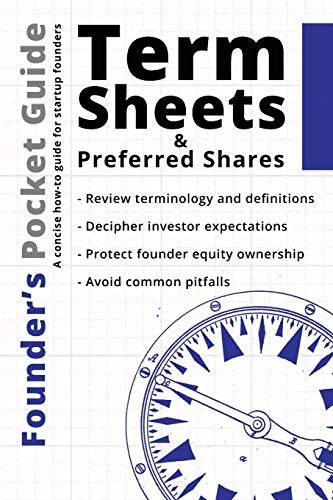
Term sheets are where a friendly funding talk starts becoming a real bargain. This guide explains the rules about price, control, payment order, and investor rights in language a founder can follow. I like how it shows that a high company value does not always mean a good deal. Small clauses can decide who gets paid, who gets a vote, and who can sell later. Those details matter if the goal is to build something valuable and keep the path to an exit clear. It is a useful book to read before the documents arrive and the clock starts ticking.
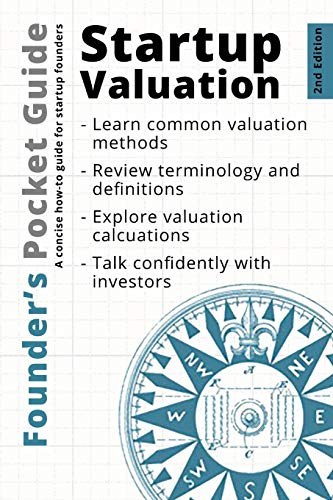
Startup Valuation begins with an honest fact: a young company's value is partly math and partly a well-defended guess. The guide walks through common methods and the ideas behind them. I like it because founders learn to explain a number instead of simply announcing one. If you are not raising outside money, several sections will be more math than you need right now. The lasting lesson is to know which parts of the business create value and which claims need proof. That same habit will serve an owner when a buyer eventually asks how the price was reached.
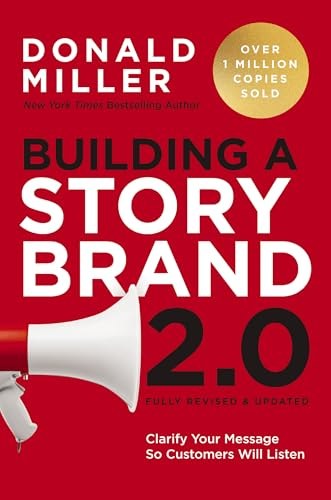
Building a StoryBrand gives businesses a needed push toward plain English. The customer is the hero, the company is the guide, and the message should make the next step clear. That sounds obvious, yet many websites still read like the company swallowed a conference brochure. I like the framework because it forces an owner to explain the value without hiding behind grand words. A clear message helps win customers now and makes the business easier for a future buyer to understand. A welcome mercy!
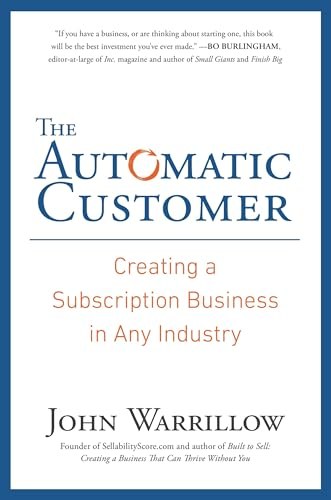
The Automatic Customer looks at the many ways a company can earn repeat income. Warrillow covers subscriptions, service plans, memberships, and other models that make revenue less jumpy. I like the book because steady income can make a business easier to plan and more attractive to a buyer. It also reminds owners that repeat billing only works when customers keep seeing real value. A subscription is not a magic spell, and nobody enjoys paying forever for something they forgot. The useful question is whether the business can earn the next payment without starting the sale from zero.
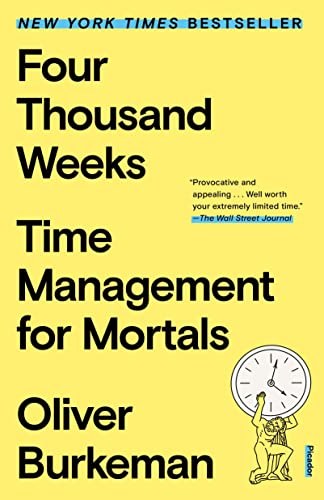
Four Thousand Weeks begins with the limit no planner can negotiate: life is short. Burkeman asks readers to choose what matters instead of trying to finish everything. I like the book because it is calmer and more honest than most advice about getting more done. Owners need that reminder when the business can always produce one more urgent task. A company that can be sold one day cannot depend on its founder working every waking hour. The goal is not to control time but to spend it on work that truly deserves it.
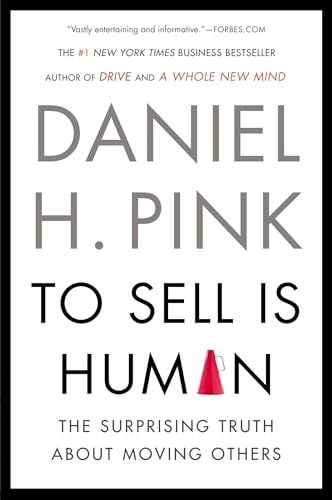
To Sell Is Human starts from the idea that nearly everyone is in sales. Owners, lawyers, managers, and employees all spend time helping other people see a choice. Pink is good on listening, clear language, and making the next step feel safe. I like the book because it treats sales as useful help instead of pressure. That approach builds trust with customers and creates a process other people can learn. A business becomes more valuable when sales do not depend on the founder's charm alone.
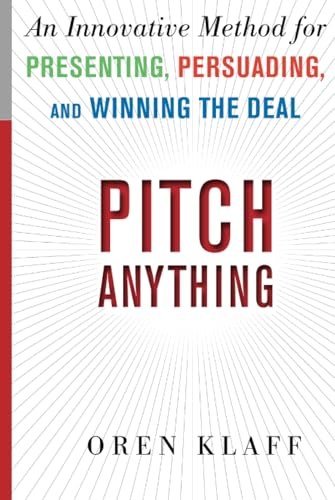
Pitch Anything looks closely at status, timing, and attention during a high-pressure pitch. Klaff argues that facts land differently depending on who controls the room and how the idea is framed. I like the reminder that a good offer can still be lost through a poor presentation. The frame-control tactics can feel too theatrical for the steady work of earning buyer trust. Most owners will get more value from the ideas about focus and clear stakes than from trying to perform every move. Use the book to sharpen a pitch, not to turn every meeting into a cage match.
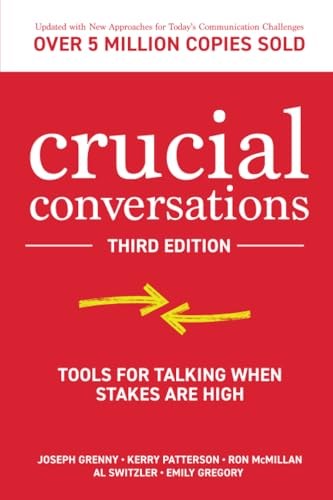
Crucial Conversations is for the talks everyone knows they need and nobody wants to schedule. It shows how to stay honest when the stakes are high and feelings are already in the room. I like the focus on making a conversation safe without making it soft. Owners need that skill for partners, employees, customers, and family members. A future buyer will also notice whether problems are handled clearly or stored in the walls. Good companies do not avoid hard talks; they learn how to survive them.
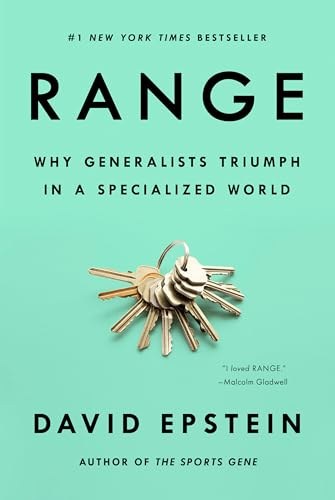
Range makes a strong case for people whose path has wandered. Epstein shows how broad experience can help someone see patterns that a narrow expert may miss. I like the book because many good owners learned by trying several jobs, industries, and mistakes. That range can be a real strength when a business needs to adapt. The trick is turning personal experience into systems the rest of the team can use. A buyer cannot purchase everything inside the founder's head, so some of that wisdom has to come out.
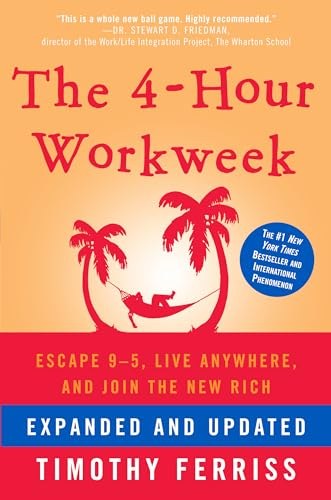
The 4-Hour Workweek is best read as a challenge, not a promise. Ferriss asks why work must happen in one place, on one schedule, and through the owner's constant effort. I still like the questions about automation, handing off tasks, and designing a business around a life. Some shortcuts and lifestyle promises have aged badly, and they are not a plan for building something another owner can run. The useful part is the push to remove the founder from every small decision. Keep the systems thinking and leave the fantasy timetable on the beach.
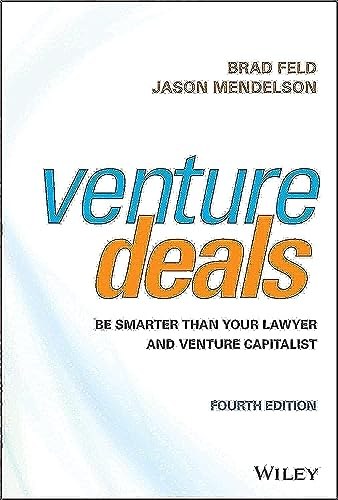
Venture Deals explains the legal and money terms behind a venture capital investment. Feld and Mendelson are clear about control, investor rights, and what happens when the company is sold. I like it because founders learn that the headline price is only one part of the deal. If venture capital is not part of your plan, much of the detail can stay on the shelf. The broader lesson is still useful: money comes with rules, and those rules can shape the exit. Read the parts that match the capital you actually plan to raise.
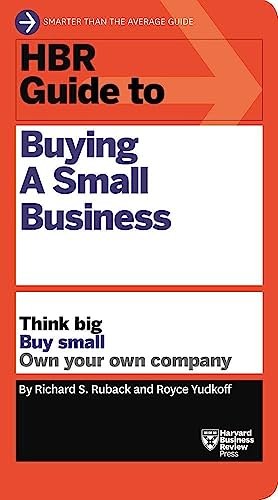
HBR Guide to Buying a Small Business is for people who want to own a company without starting at zero. It covers finding a business, checking the facts, arranging the money, and taking over from the seller. I like its steady view of the process because buying an existing company trades startup risk for a different set of surprises. The buyer gets customers and cash flow, but also old habits and old problems. The book helps readers study whether the company can run after the current owner leaves. That is the same question a smart seller should be preparing to answer.
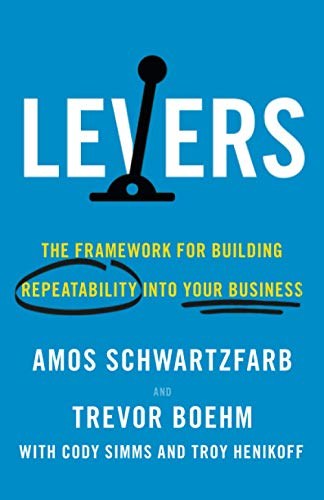
Levers tries to find the few numbers that truly move a young company. It is a welcome break from dashboards that track everything except what the owner should do next. I like the focus on repeatable growth because buyers care about a process, not one lucky month. The book also pushes founders to connect each number to the way the company makes money. That link keeps a metric from becoming office decoration. A short list of useful levers is far better than a long list of impressive charts.
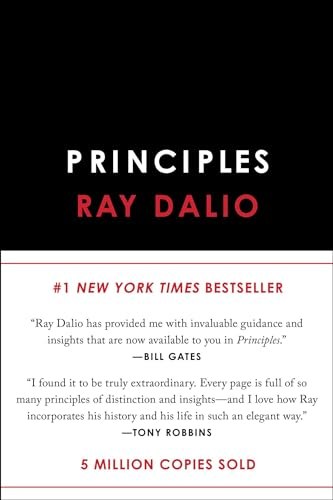
Principles is Ray Dalio's attempt to write down the rules he uses for work and life. I do not agree with every rule, which is probably healthier than agreeing with all of them. The useful part is the habit of making standards clear and studying mistakes without too much theater. Owners often carry those rules in their heads and wonder why employees cannot read them. Writing down how decisions get made helps the team act without waiting for the founder. That is one small step toward a business someone else can own.

In the Company of Family understands that a family business is never only a business. Money, work, loyalty, and old history sit at the same table. I like how the book separates family roles from business roles without pretending the feelings disappear. Clear rules about jobs, ownership, and decisions protect both the company and the relationships. They also make the business much easier for a future buyer or next generation to understand. Caring about each other matters, but it cannot be the entire rulebook.
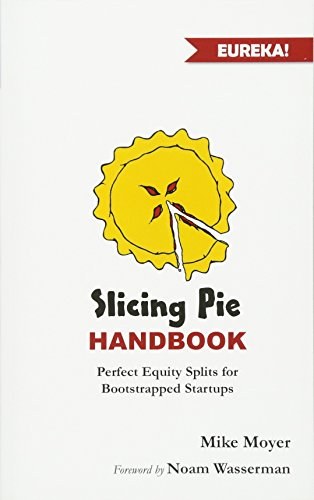
Slicing Pie Handbook turns Moyer's ownership idea into a working process. The split changes as each person adds time, money, or other value to the company. I like it because an early fifty-fifty promise can be fair on Monday and absurd by next year. A changing model will not fit every team, but it creates a better conversation than guessing. Whatever method an owner chooses should be written down and understood by everyone. Buyers prefer an ownership table, not an ownership mystery.
HBR Family Business Handbook separates family, ownership, and management into three different systems. That simple picture clears up many fights about who works, who votes, who gets paid, and who leads next. I like the book because it gives families a shared map for hard talks. Good rules can protect the business without asking the family to stop being a family. They also make a later handoff or sale much less confusing. Thanksgiving deserves at least a fighting chance.
Hidden Potential is less interested in finding stars than in helping people grow. Grant looks at practice, support, teaching, and the courage to be bad at something for a while. I like that view because hiring cannot be the only answer every time a team has a gap. A business becomes stronger when ordinary people can learn to do excellent work. That growth also makes the company less dependent on one gifted founder. That is a better hiring plan!
Dare to Lead treats courage as part of the manager's job. Brown connects it to clear feedback, honest limits, and the talks people avoid because they may get uncomfortable. I like the book because kindness without truth usually creates a larger problem later. Owners need people who can speak plainly and still respect each other. That kind of team handles change better and does not send every conflict to the founder. A buyer will see the difference between a healthy culture and a polite silence.
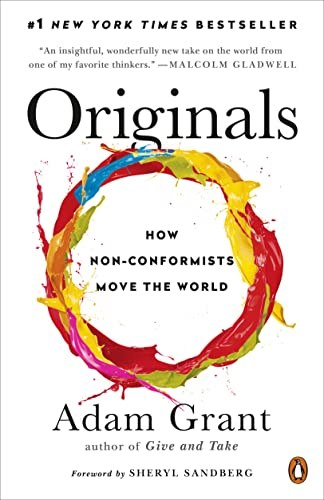
Originals asks how new ideas make it through groups that prefer the familiar. Grant shows that having an unusual idea is only the first step. Someone still has to test it, explain it, and make room for honest doubt. I like the book because useful disagreement is part of building a better company. Teams that can challenge an idea without attacking a person make stronger decisions. That habit becomes an asset when the founder is no longer the only source of direction.
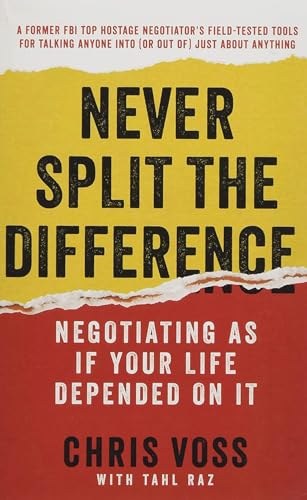
Never Split the Difference makes negotiation feel more like careful listening than verbal combat. Voss offers simple tools for naming concerns, asking better questions, and finding limits that have not been said aloud. I like the book because the best deal often starts with understanding what the other person is protecting. Those skills help in sales, contracts, hiring, and a future company sale. Some examples are dramatic, but the tools work in ordinary rooms too. Calm curiosity usually travels farther than a clever threat.
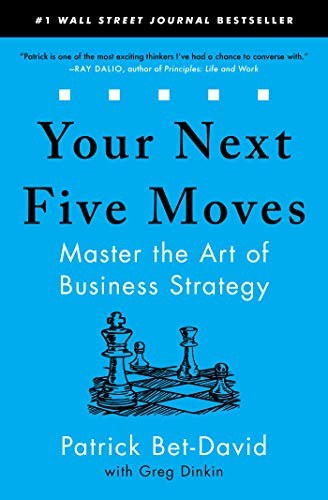
Your Next Five Moves asks leaders to think beyond the next quick win. Bet-David starts with personal goals, then looks at the market, the team, and the order of important choices. I like the focus on sequence because good decisions can still fail when they happen at the wrong time. Owners building toward a sale need to know which step creates value now and which can wait. A full calendar is not the same as a clear plan. The book is a useful prompt to lift your eyes from the week in front of you.
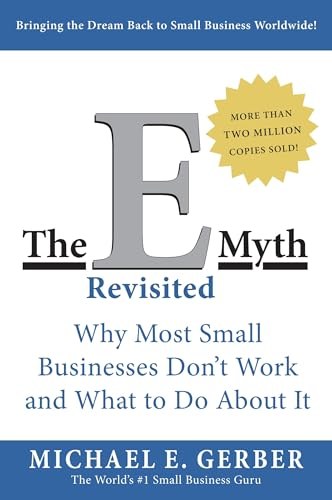
The E-Myth Revisited explains why being good at the work is not the same as building a good business. Gerber separates the roles of craftsperson, manager, and owner. I like the book because many founders are still doing all three jobs and calling the result freedom. Systems, clear steps, and trained people can make the company less dependent on rescue missions. That is good for the team and essential for a future sale. A buyer wants a business, not a job wearing a nicer logo.
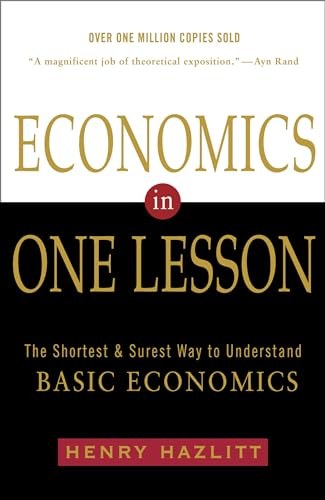
Economics in One Lesson teaches readers to ask what happens after the first obvious result. A choice may help one group today and create a cost somewhere else tomorrow. I like that habit because business decisions also have second and third effects. The policy arguments reach far beyond the daily work of making a company sellable. You do not need to settle every economic debate to use the main idea. Ask who else is affected, what changes next, and whether the gain will last.
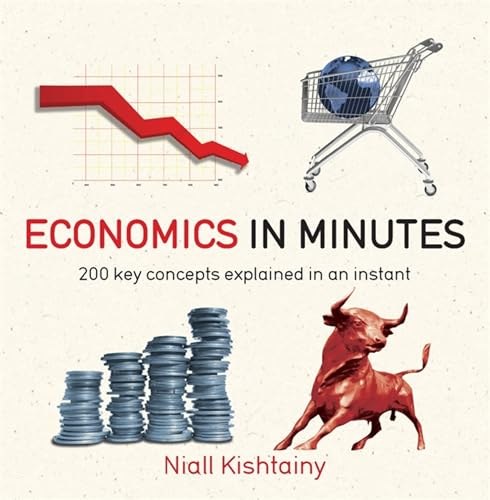
Economics in Minutes is a quick tour of the ideas that keep appearing in business news. Each short section gives enough background to follow the point and know what to look up next. I like it as a reference rather than a book that demands a long weekend. Owners should understand the basic forces that shape prices, wages, demand, and interest. That knowledge will not run the company, but it can improve the questions being asked. No semester required!

The Fundamentals of Contract Law and Clauses explains what common contract terms are trying to accomplish. Kim shows how a sentence can move risk, cost, and control from one side of a deal to the other. I like that focus because contract language should do a job, not merely sound official. An owner does not need all the legal depth here and should not try to replace a lawyer with a highlighter. The useful part is learning to ask what a clause changes in the real world. Clear contracts also make a company easier to review when a buyer begins looking through the files.
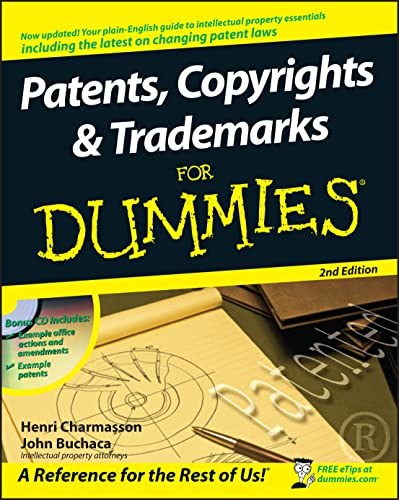
Patents, Copyrights and Trademarks For Dummies gives a friendly map of the main types of intellectual property. It helps owners ask what they are protecting and which legal tool might fit. I like it because founders often use the words patent, copyright, and trademark as if they were cousins who share clothes. The book covers far more ground than most small business owners will ever use. Read enough to spot the issue, keep good records, and know when to call the right lawyer. The cheerful yellow cover is not, by itself, a legal department.
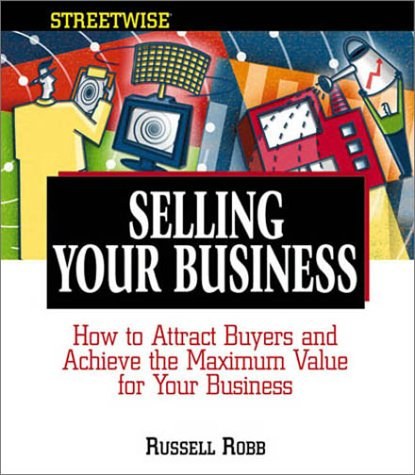
Selling Your Business treats a sale as a process that starts well before a buyer appears. Owners need clean numbers, clear value, good records, and a business that does not collapse when they take a day off. I like the book's practical focus even though some market details have aged. The central point has not changed: value must be easy for another person to see and believe. Preparing early gives the owner more choices and fewer desperate fixes. Exit planning is simply good business planning with a deadline attached.
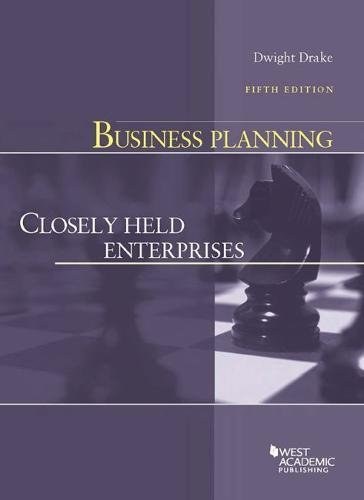
Business Planning for Closely Held Enterprises is a serious guide to the legal and tax side of private companies. It connects ownership, pay, taxes, family transfers, and the final sale or handoff. I like the way it treats those choices as one plan instead of separate piles of paper. The legal and tax detail is much heavier than most owners should handle themselves. Its value is helping an owner see the questions early and bring the right advisers into the room. A clean plan can prevent a good business from becoming a very complicated estate problem.

Startup Law and Fundraising walks through the legal path from forming a company to raising outside money. Swegle explains why the documents exist and what founders should notice. I like it because legal work feels less frightening when the steps have names and an order. It also shows how early promises can affect control and a later sale. The book does not remove the need for advice, but it helps an owner use that advice well. Surprises are expensive, especially when they arrive in a closing checklist.
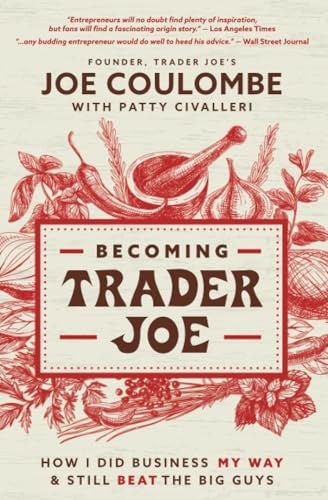
Becoming Trader Joe is a founder's story about making a store different on purpose. Coulombe writes about products, prices, workers, and the strange collection of choices that became a clear brand. I like it because the business did not become memorable through a slogan alone. Customers could feel the point of view in the shelves and the service. A buyer values that kind of clear identity when it can survive the founder. That is harder than it sounds!
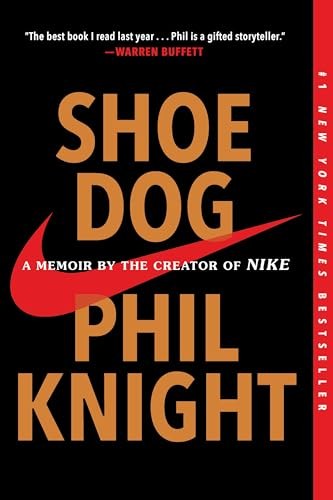
Shoe Dog remembers how uncertain Nike felt before the ending was known. Knight writes about debt, partners, product trouble, and the years when cash seemed to run faster than the company. I like the book because it removes the clean shine from a famous founder story. The risks are exciting to read about and less exciting to finance. It also shows how brand, product, and a committed team can create lasting value. Read it for courage, but keep a close eye on the cash account.
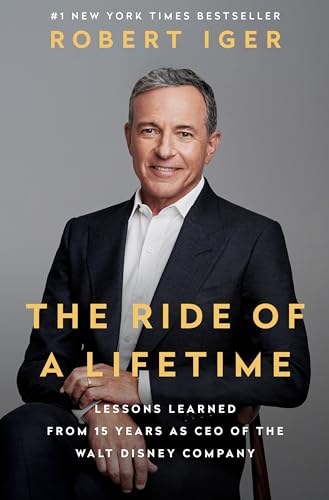
The Ride of a Lifetime is Robert Iger's account of leading Disney through large changes and major deals. He writes well about calm decisions, strong people, and the need to be honest when the news is bad. I like the book because his leadership style is firm without needing to fill the room. The company is enormous, but the lessons about trust and clear priorities work at a smaller scale. A business that can keep moving through leadership changes becomes more valuable. The memoir is polished, though there is enough operating detail to earn a pencil.
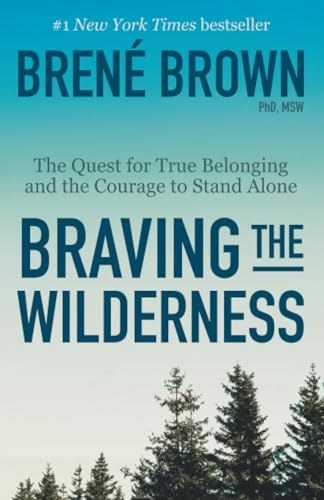
Not every book on my shelf needs to help someone build a company, and Braving the Wilderness is here because I enjoyed it. Brené Brown writes about belonging, courage, and the hard work of standing by what you believe. I like that she does not treat disagreement as a reason to stop caring about people. The ideas can help at work, especially when a team has to speak honestly and still move forward together. But I would recommend it even if you never used a single page in a meeting. It is thoughtful, personal, and worth making room for beyond the business section.

Most of this shelf leans toward business, but Educated is here because I simply love it. Tara Westover tells the story of growing up in a strict family and finding a much wider world through school. She writes with care about memory, loyalty, and the cost of learning to trust her own mind. I like that the hardest parts are told plainly instead of being pushed at the reader. There is no business plan hiding inside it, and there does not need to be. It is a powerful, beautifully written story that stayed with me.
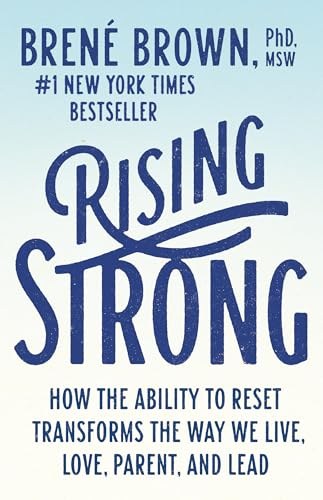
Rising Strong is about the period after a failure, a fight, or an embarrassing mistake. Brown asks readers to notice the story they invented before deciding what really happened. I like that step because our first story is often fast, certain, and wrong. Owners need a way to recover without blaming the team or pretending nothing hurt. A company that learns from mistakes becomes steadier and less dependent on perfect decisions. That is a more useful form of strength than never falling down.
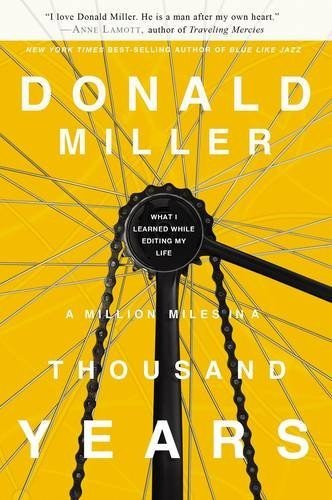
Here is a break from the business books and a look at something I have enjoyed for more personal reasons. Donald Miller asks whether our daily choices are creating a life that makes a good story. He uses his own life to explore purpose, risk, relationships, and change. I like it for the times when being very busy has started to feel a little too much like moving forward. Founders may see themselves in that problem, since a company can quietly take over the life it was meant to support. The book is warm, honest, and a good reminder that a sellable business should create choices rather than swallow them.
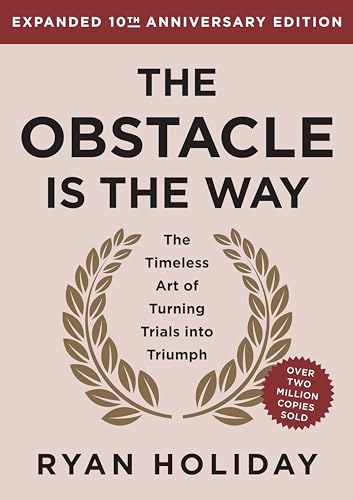
The Obstacle Is the Way turns an old Stoic idea into a practical plan for hard days. Holiday asks readers to see the problem clearly, act on what they can control, and use the struggle to improve. I like the directness because complaining rarely makes the bottleneck move. Owners face setbacks that cannot be solved by a better mood alone. The useful skill is choosing a good next step while the problem is still present. Helpful when the week has other plans!
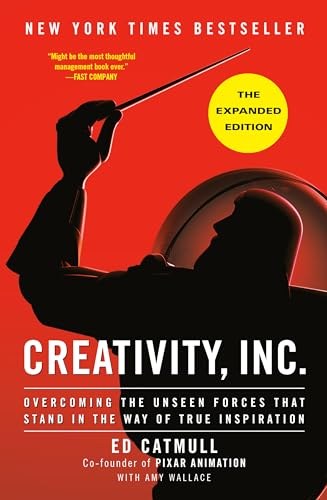
Creativity, Inc. explains how Pixar built a place where talented people could admit that early work was weak. Catmull is excellent on feedback, trust, and finding problems before they grow teeth. I like the book because creative work needs honesty without cruelty. Pixar's scale and movie-making process will not fit neatly inside a small service company. The useful lesson is to build a team that can point at a problem without waiting for the founder's permission. That kind of culture makes quality repeatable, which is exactly what a buyer wants to see.
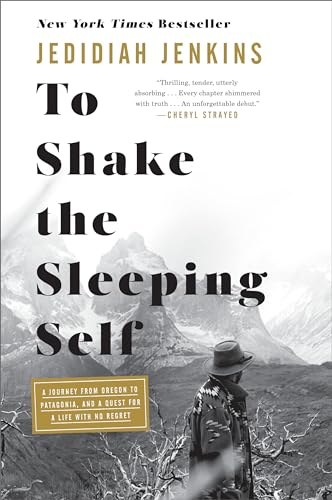
I keep some books simply because I enjoyed the trip, and To Shake the Sleeping Self earns its place that way. Jedidiah Jenkins rides a bicycle from Oregon to Patagonia and uses the long road to think about fear, faith, purpose, and change. I like that travel does not magically answer every question for him. It does make those questions harder to avoid when the next hill keeps arriving. Anyone thinking about a new direction may recognize the mix of courage and foolishness in the story. Sometimes movement helps, and sometimes it just gives the question better scenery.

No one should mistake Bossypants for a business manual, but it is one of the funnier books on my shelf. Tina Fey writes about work, family, ambition, and the strange job of making television. I like that useful thoughts about creative teams sneak in while she is making the reader laugh. She also respects preparation, which is less exciting than talent and usually more dependable. Still, the main reason to read it is not to improve a company. It is smart, funny, and a welcome break from books that assign homework.

The Library would feel too serious without books like Yes Please on the shelf. Amy Poehler writes about comedy, friendship, family, mistakes, and learning to take up space. Her voice is warm, honest, and a little tired in a way that feels very human. I enjoy the stories about creative work, but nobody needs to turn them into a management chart. The stories work best as stories, and the jokes work best when they are allowed to be jokes. Hard work and silliness have always made decent office mates.
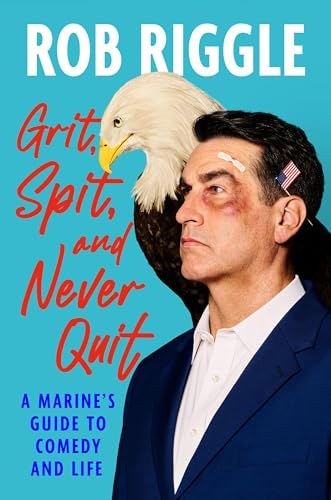
Grit, Spit, and Never Quit is here for pleasure, not because I expect anyone to use it as an operating plan. Rob Riggle tells how he went from the Marines to comedy and acting, which is not the usual career ladder. I like the mix of discipline, nerve, and willingness to look foolish. His stories show that confidence often arrives after the leap, not before it. There is no tidy plan to copy, and that makes the whole thing more honest. Quite a career path!
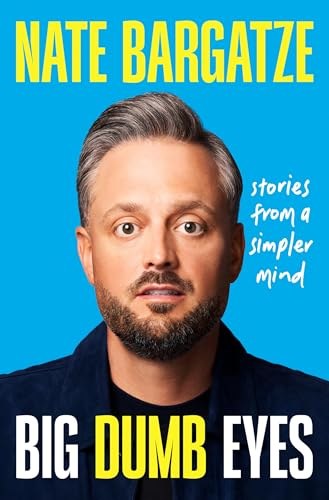
Sometimes a book earns shelf space by making me laugh, and Big Dumb Eyes does exactly that. Nate Bargatze studies family life, ordinary problems, and his own steady confusion. His humor is calm, specific, and never in a hurry to prove how smart it is. I like that style because close attention does most of the work. No business case is hiding in these pages, and I decline to invent one. A useful library still needs books that simply make the reader happier, and that is reason enough!
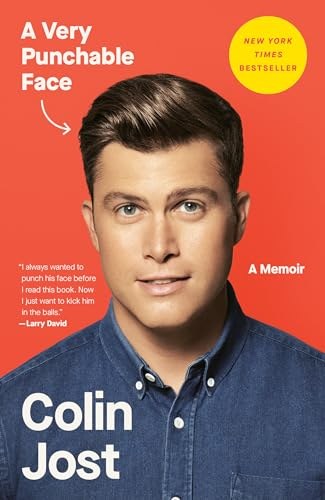
A Very Punchable Face gives you a look at the side of my bookshelf that is there mostly for a good time. Colin Jost turns awkward moments and poor choices into a very funny public record. He writes about family, comedy, competition, and the long practice behind a job that looks easy on television. I like how willing he is to be the least impressive person in his own story. The book offers no formal lesson about building a company, which is perfectly fine. It does offer the comfort of watching someone else preserve his worst moments in hardcover.
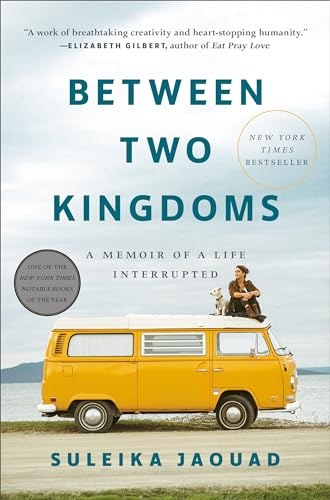
There is more on my shelf than business advice, and Between Two Kingdoms is one of the books I value most. Suleika Jaouad writes about serious illness and the strange years that come after survival. She shows how hard it can be to lose an old life and discover that normal did not wait where you left it. I like that she does not rush toward a bright lesson or a neat ending. The story is honest about identity, uncertainty, and the slow return to ordinary time. Those are human subjects first, and they make for a remarkable read.

Calypso is here because a bookshelf should reveal what a person enjoys, not just what he thinks will be useful. David Sedaris watches family, aging, travel, and small social disasters with very sharp eyes. The jokes are excellent, but there is care and sadness underneath them. I like the way he lets both things stay in the room at once. There is no business lesson I can responsibly claim from these essays. They are funny, observant, and good, which is plenty for me!

One pleasure of sharing a library is showing the books I read when I am not trying to solve a business problem. Happy-Go-Lucky gives David Sedaris another chance to write about family, loss, travel, and the odd trouble of being around other people. He can make a painful moment funny without pretending it was painless. I like that balance because the joke never erases the truth. No action items follow these essays, which should come as a relief. The value is in the noticing and in how much fun Sedaris is to read.
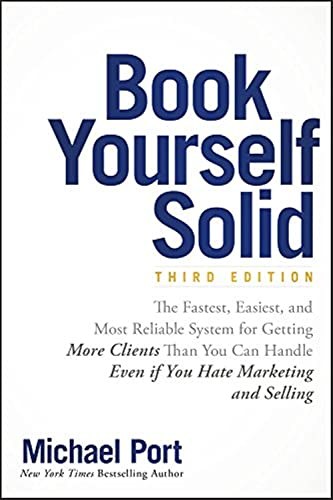
Book Yourself Solid gives professionals a clear way to find and earn good clients. Port covers what to say, how to build trust, and how to move from a first conversation to paid work. I like the system because selling services can feel vague and personal. A repeatable process makes growth less dependent on mood, luck, or the founder's calendar. That makes the firm easier to manage and more valuable to someone else. It is especially useful for lawyers and other experts who insist they are not in sales.
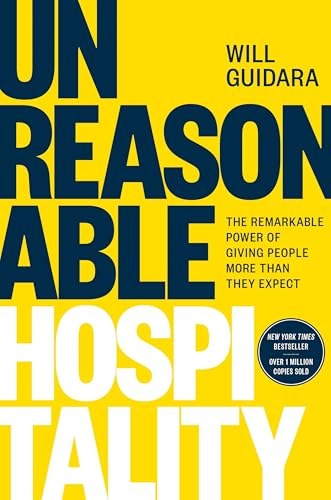
Unreasonable Hospitality is about making people feel truly cared for. Guidara shows that great service comes from attention, good judgment, and a team trusted to act. I like the examples because the memorable gesture is usually built on careful daily work. A future buyer can copy a service standard more easily than the founder's personal charm. The challenge is turning care into a habit without making it feel like a script. People notice!
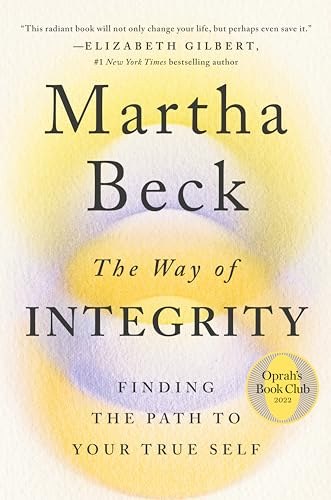
The Way of Integrity asks readers to notice when their actions do not match what they know is true. Beck offers a path toward choices that feel more honest and whole. I like the book because business decisions sometimes look fine on paper and still produce a quiet objection. That feeling is not proof, but it is information worth checking. Owners need a company they can stand behind as well as one they can eventually sell. A clean conscience is not listed on the balance sheet, though it improves the view.
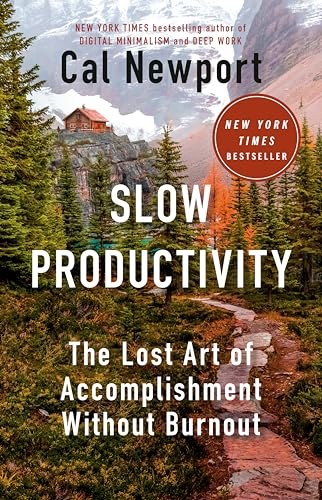
Slow Productivity argues that valuable work should happen at a pace people can keep. Newport asks readers to do fewer things, allow important work enough time, and care more about quality than looking busy. I like the book because exhaustion is a poor business model. A company cannot become less founder-dependent if every process requires a sprint and a rescue. Steady work also makes it easier to train people and improve systems. Durable should describe the team as well as the company.
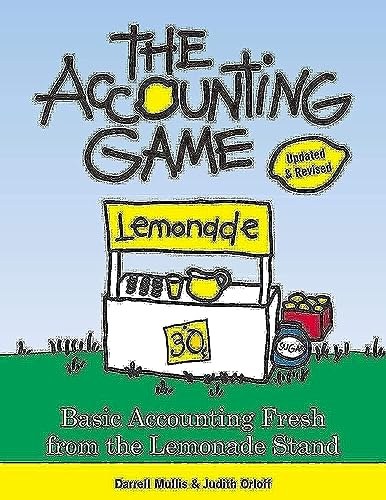
The Accounting Game teaches the main financial statements through a lemonade stand. Cash, profit, property, debt, and ownership begin to make sense because the reader can watch them move. I like the book because it removes the fog without talking down to the owner. Better financial understanding leads to better prices, better plans, and fewer strange meetings with the accountant. Clean numbers also make a future buyer much more comfortable. A lemonade stand finally earns its keep!
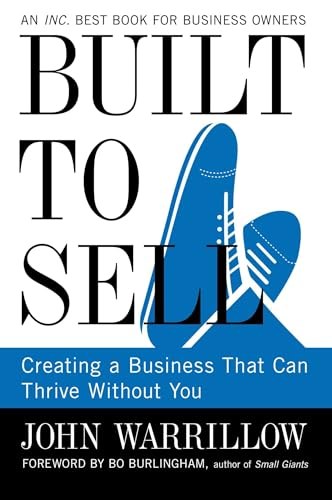
Built to Sell asks a direct question: is the company an asset, or is it a demanding job with stationery? Warrillow uses a simple story to show why focused services, clear systems, and less owner dependence create value. I like the book because its goal matches the reason this Library exists. Even an owner who never sells will benefit from a business that can run without panic. The ideas are easy to understand and harder to carry out, which is usually the honest order. Start with the task only the founder can do, then ask why.
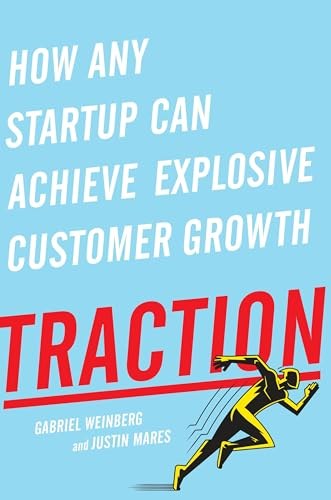
Traction starts with the problem many founders discover late: a good product still needs a way to reach people. Weinberg and Mares lay out several sales and marketing paths, then suggest a fair way to test them. I like the book because it discourages teams from choosing a channel only because the founder enjoys it. A repeatable path to customers is one of the clearest signs of a valuable business. Buyers prefer evidence that growth can continue after the owner leaves. Building in a quiet room is pleasant, but customers rarely wander in by accident.
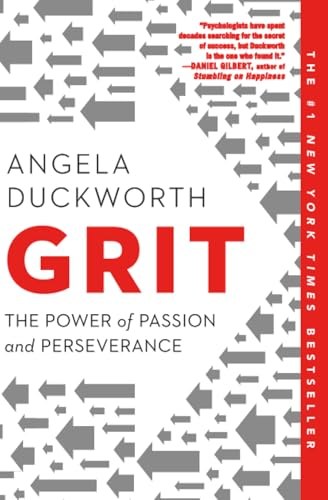
Grit looks at why some people keep working toward a goal long after the early excitement fades. Duckworth connects steady effort with practice, purpose, and support. I like the book because building a company worth selling takes longer than most plans admit. The harder question is knowing when effort is brave and when the facts are asking for a change. Good owners need both endurance and the ability to stop digging. Persistence is useful, but it should still listen.
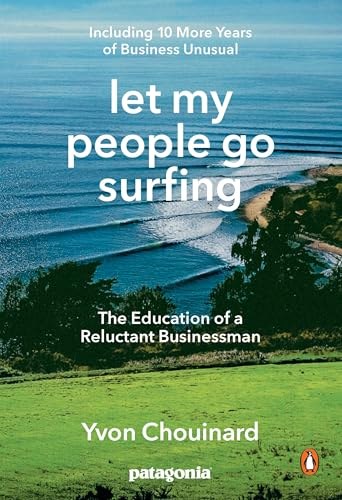
Let My People Go Surfing shows how Patagonia turned its beliefs into choices about products, workers, growth, and the environment. Chouinard does not treat values as wall art. I like the book because every claim eventually has to meet a hard decision. Another company may choose differently, but it should know what it stands for and what that costs. A clear culture can outlast the founder when it is built into daily work. Purpose becomes valuable when the team knows how to act on it.
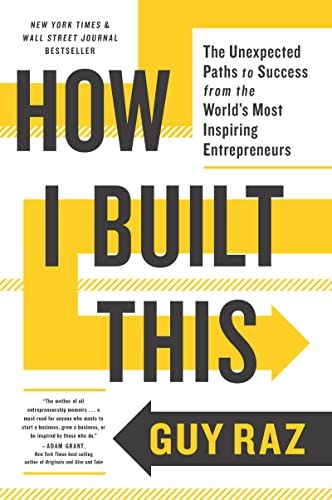
How I Built This grows out of Guy Raz's hit podcast of the same name. Raz collects the messy early stories behind companies that later became famous. He shows founders changing plans, hearing no, making mistakes, and continuing before success looked likely. I like the stories because they put uncertainty back into outcomes that now seem obvious. The reader should remember that failed businesses did not get equal microphone time, so use the book for courage and patterns rather than a promise. The best stories may inspire a start, but systems and numbers build something another person can buy.
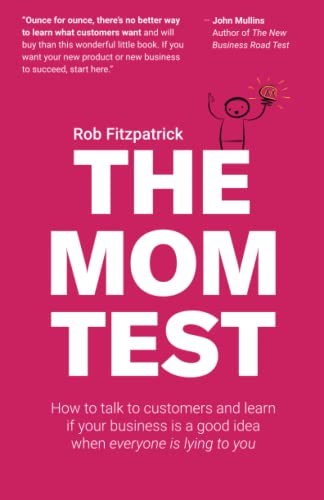
The Mom Test shows how to talk with customers without asking questions that invite polite praise. Fitzpatrick tells founders to ask about real behavior, past choices, and money already spent. I like the book because people are kind enough to encourage a bad idea for months. Honest customer facts help a business build what people will actually buy. They also create a sales process based on real needs instead of the founder's favorite story. It is a short read that can prevent a very long mistake.
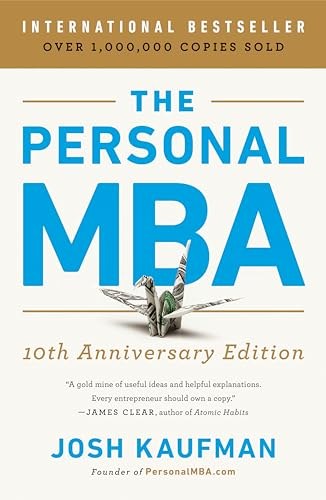
The Personal MBA gives readers a wide map of how a business works. Kaufman covers value, sales, money, systems, people, and the way all those parts affect one another. I like it as a shelf reference because an owner can return to the section needed today. The range is so broad that no owner needs to master every chapter before improving the company. The practical goal is to understand enough to ask good questions and connect the pieces. A buyer will care less about the owner's business vocabulary than whether the business actually works without that owner.
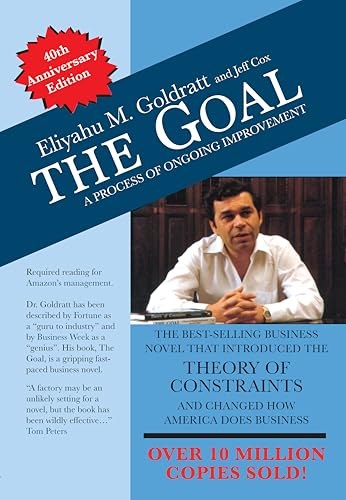
The Goal teaches operations through a story about a factory that is falling behind. Goldratt's main idea is to find the one limit slowing the system and improve the work around it. I like the story because the lesson is easier to remember than a chart of factory rules. Every company has a bottleneck, even when the team proudly lists twelve top priorities. Fixing the right limit can improve cash, service, and the daily experience of work. A repeatable operation is one of the strongest parts of a sellable business.
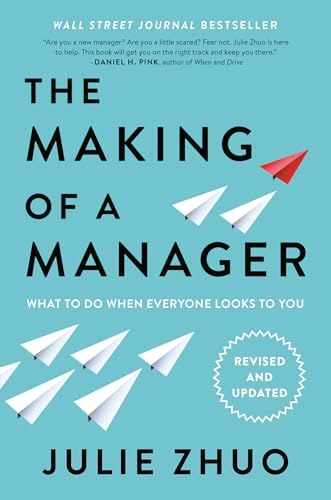
The Making of a Manager helps people move from doing good work themselves to leading a team that does it together. Zhuo is clear about meetings, feedback, hiring, and the doubt that comes with a first management role. I like the book because the tone is useful without pretending that management becomes easy. Founders need managers who can make decisions without sending every question upstairs. That ability gives the owner room to work on the business and eventually step away from it. The title often arrives before the confidence, so a practical guide helps.
Tell us what you’re building
If I miss you, I’ll personally call you back. (For real!)